
The Custom Boundary
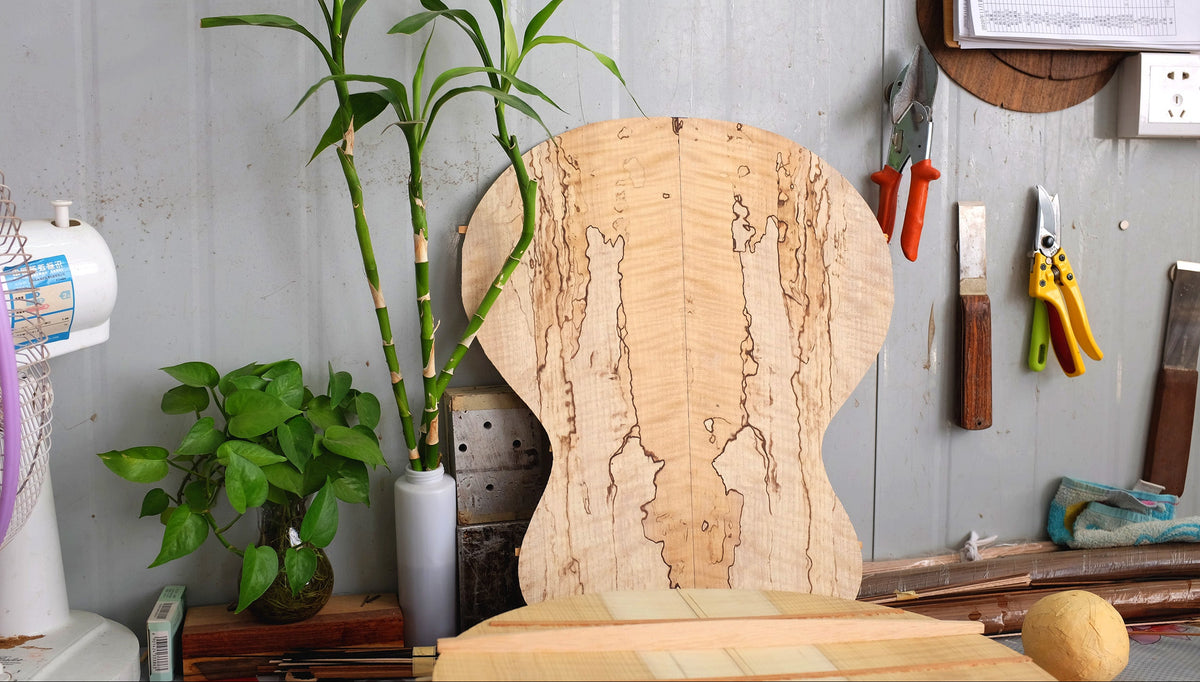
Not every Hozen guitar is customizable. This is intentional. In many guitar brands, "custom" becomes a loose word. A player may ask for a different inlay, a different nut width, a different wood, a different body depth, a different rosette, or one small change to an existing model. At first, these changes may sound minor. But in serious guitar making, a small change is not always small. A nut width changes the neck design, the feel of the left hand, and the player relationship. An inlay changes the appointment structure and the identity of the instrument.


A wood change affects weight, stiffness, response, tonal balance, and sometimes the entire voicing direction. A body change affects air volume, ergonomics, bracing, and the way the guitar moves. This is why Red, Black, Green, and Gold Labels are not open custom platforms. They are predesigned Hozen expressions — instruments where the body, materials, appointments, ergonomics, and tonal direction have already been considered as a whole. If a player wants a Red Label dreadnought but asks to add an inlay, it is no longer a Red Label.
Even one meaningful change moves the instrument out of the standard label system. At that point, the guitar belongs in Blue Label. This boundary protects the integrity of every label. It keeps standard models consistent. It keeps custom work properly respected. It keeps the workshop honest. A custom guitar is not a menu. It is a responsibility.