
The Future of the Hand
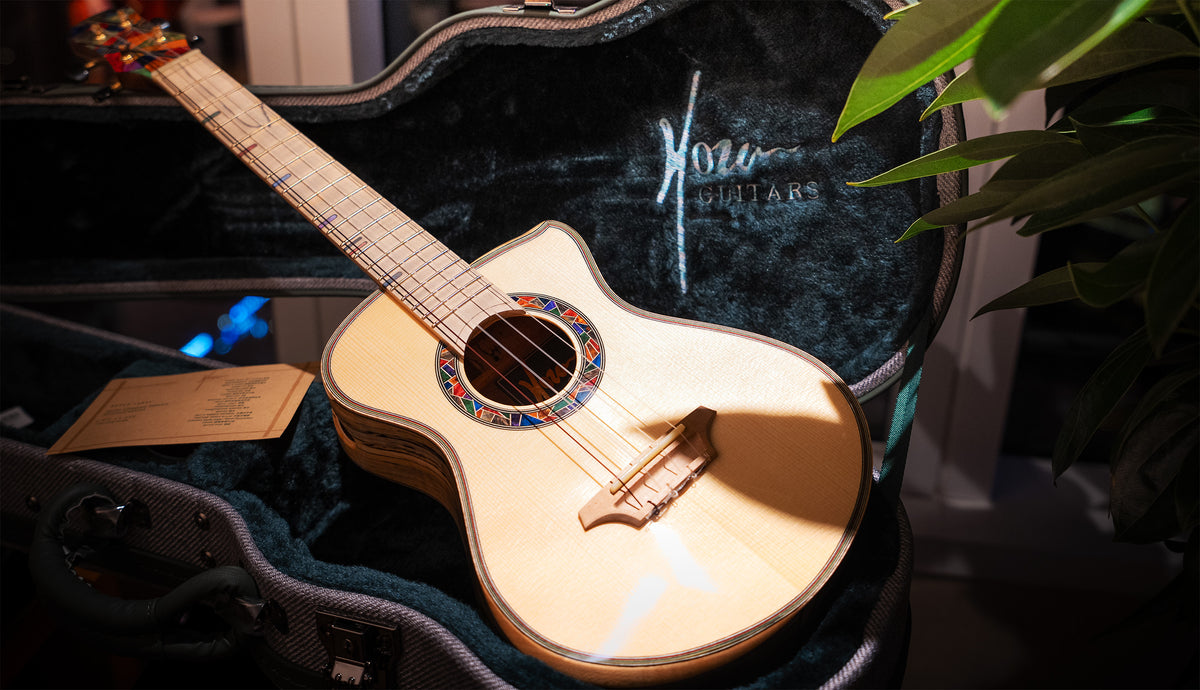
The Vanishing Hand
The acoustic guitar lives in a strange age. There has never been more information available to builders. There are better tools, better machines, better measurement systems, and more ways to understand the instrument scientifically. In many ways, this is a golden time for guitar making. And yet, something is also being lost. As my mentor Ervin Somogyi has observed, our modern culture rarely values hand skills. We celebrate economic victories, technological breakthroughs, political shifts, and digital milestones, but manual dexterity and the slow judgment of the hand are becoming rarer.
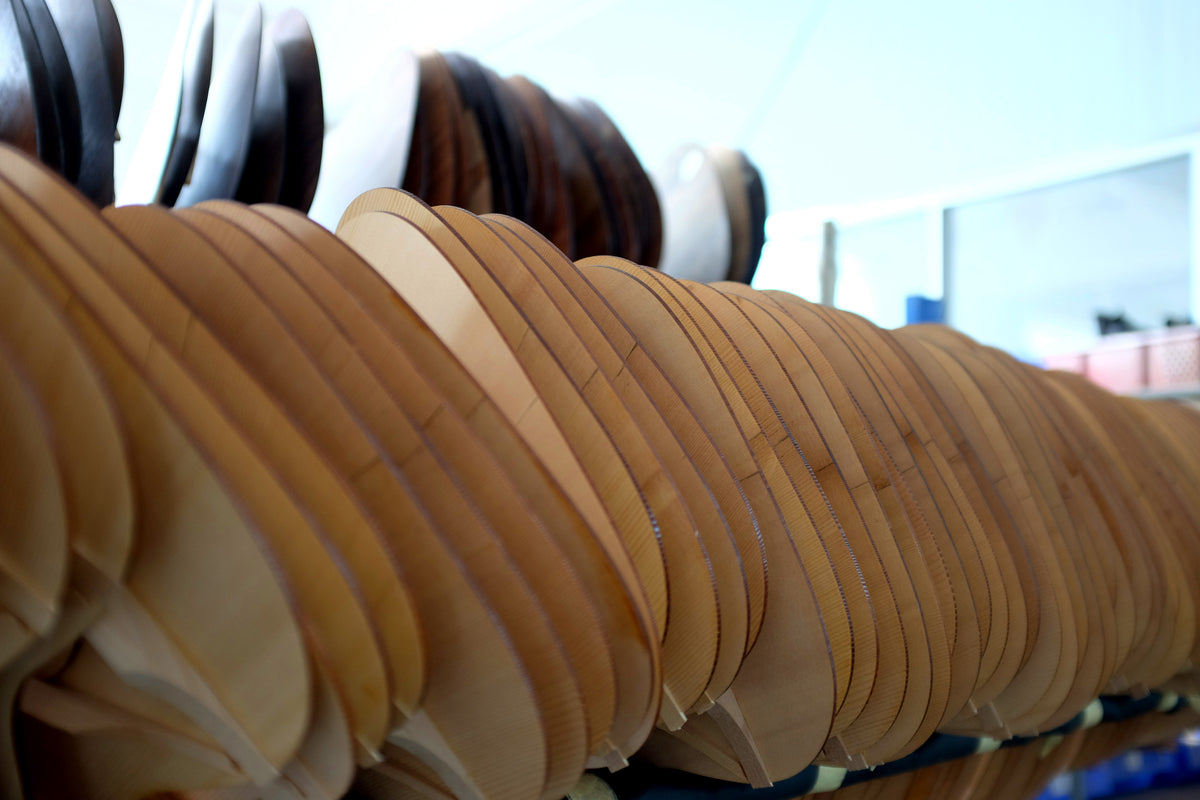
Young people grow up with keyboards and screens replacing hand tools. Machines become more capable, production becomes more efficient, and the visible signs of craft become easier to imitate. The world is not wrong to chase efficiency, but not everything meaningful can be scaled. Machines can cut accurately, measure precisely, and repeat a shape with extraordinary consistency. But they do not know when a soundboard has begun to breathe. They do not know when a note has become sweet enough, or when a guitar has crossed the line from correct to alive.
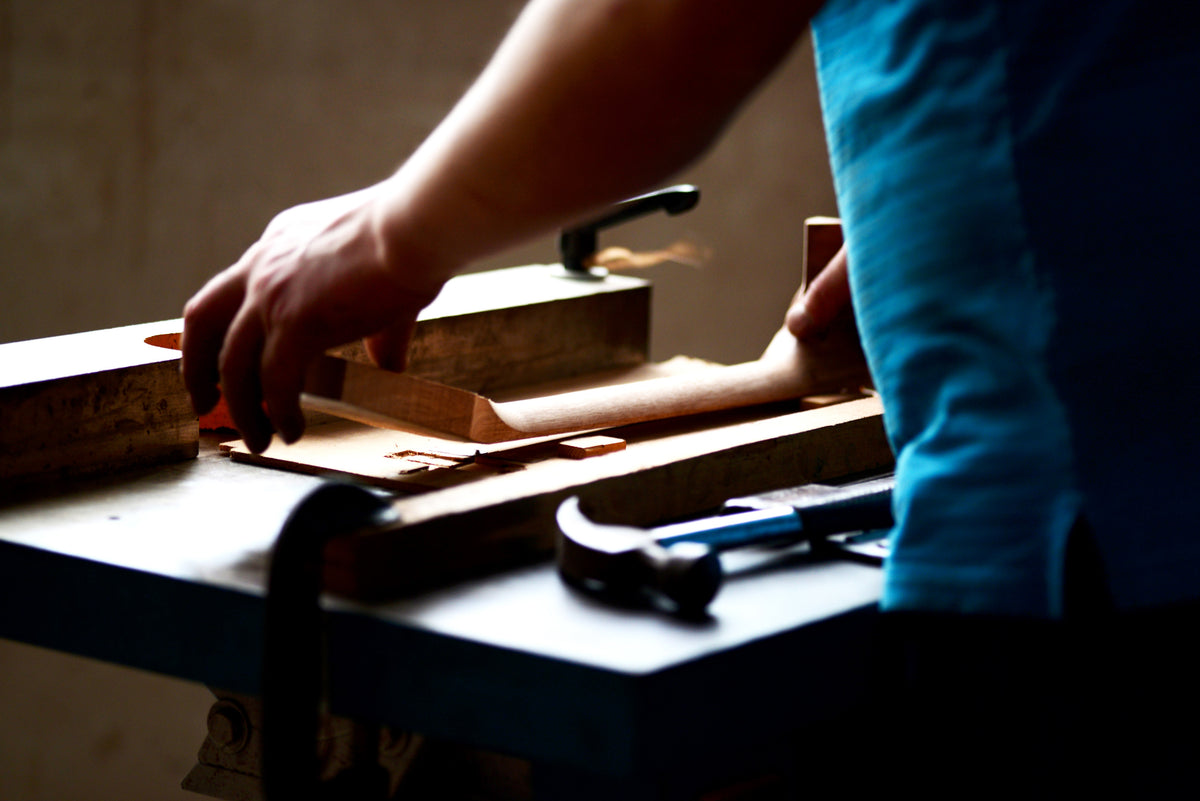
A hand-voiced guitar belongs to another kind of promise. It does not begin with the question: how can this be repeated? It begins with the question: what does this piece of wood need? That question asks for judgment—judgment built through years of touching wood, making mistakes, repairing mistakes, listening to players, and learning what the hand missed the last time. The hand carries memory. It remembers the top that was taken too far. It remembers the build that was safe but unwilling. This is why truly hand-voiced instruments cannot be multiplied endlessly.
When the tool becomes the authority, the maker begins to disappear. Measure what matters. Let machines support accuracy. But keep the final voice with the maker.