
The Somogyi Turning Point
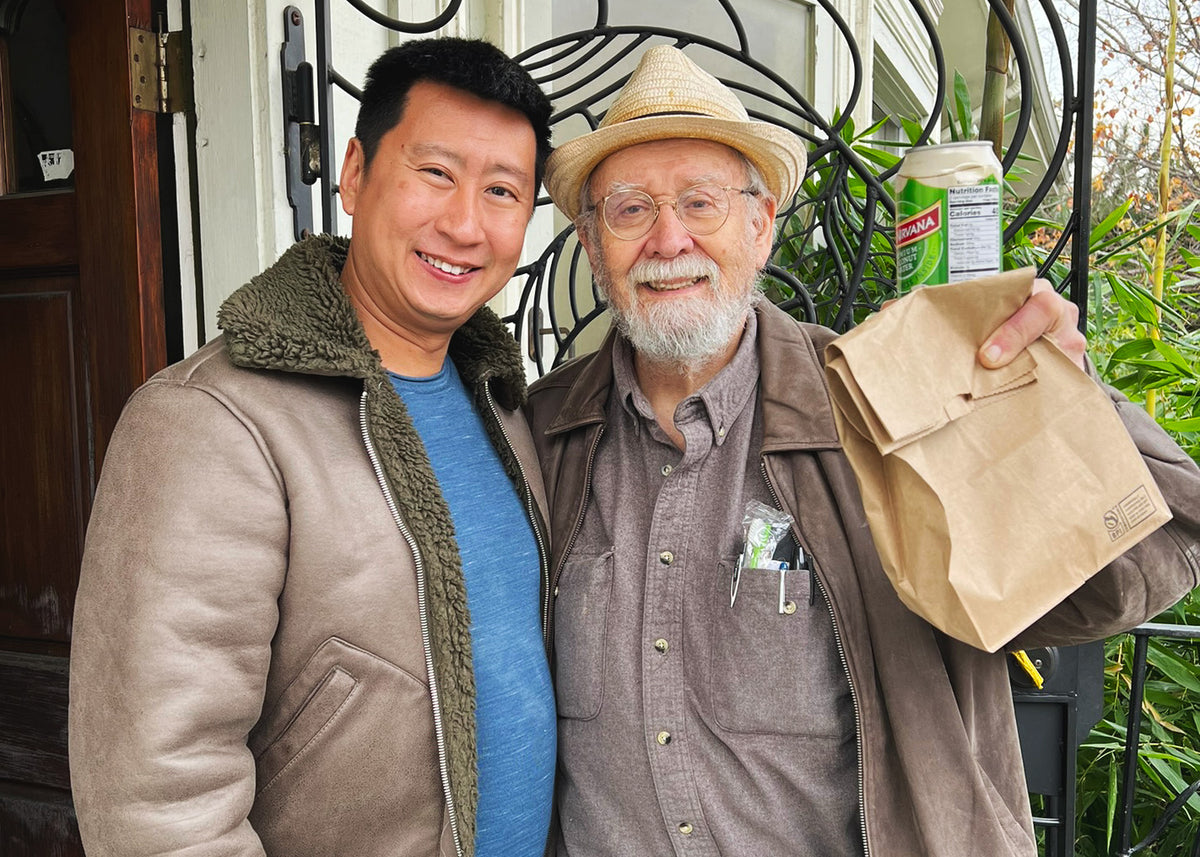
I went to Oakland looking for answers. I came home understanding that I had to hear the whole guitar differently. By 2015, Maestro had grown into a proper workshop. The guitars were improving, the workmanship was cleaner, and the instruments were consistent. But I knew something was still missing. I was chasing a quality in the voice—a sweeter treble, a fuller note, a response that did not need to be forced. I wanted the guitar to give more back to the player. That search led me to Ervin Somogyi.

Ervin did not give me a shortcut. He did not tell me that one brace pattern would solve everything, or that a certain top thickness would suddenly create the tone I wanted. Instead, he made me look at the guitar as a complete acoustic system. The guitar, at its most basic level, is an air pump. The string gives only a small amount of energy. The maker decides how that energy travels through the bridge, the top, the braces, the back, the sides, and the air inside the box.
The soundboard was no longer just a top. The back was no longer only a beautiful piece of wood. Everything was connected. Voicing is not only listening to wood. It is understanding how the whole guitar comes into relationship with itself. Ervin gave me a way of thinking, instead of giving me a voice. A teacher can open a door, but the maker still has to walk through it.