
The Measured Voice
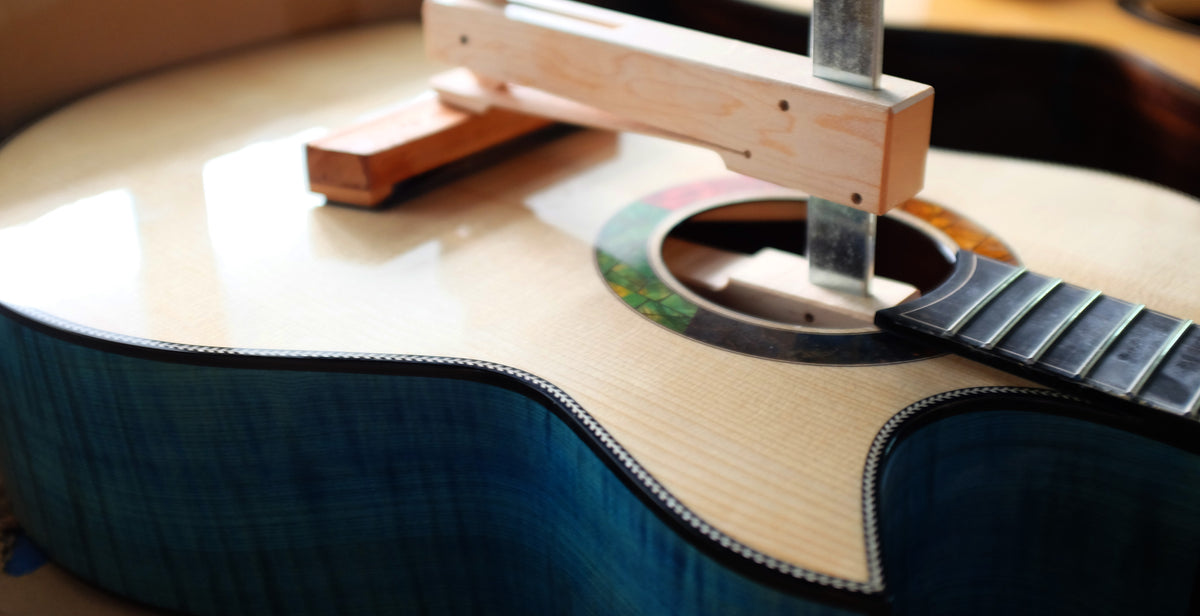
There is a romantic image of the luthier tapping a piece of wood once and knowing exactly what it will become. There is some truth in that image, but romance alone can become dangerous if it is not checked against reality. Measurement keeps the maker honest. This is where the work of acoustic engineer and luthier Giuliano Nicoletti has been profoundly meaningful to me. His approach reminds me that science is not the enemy of craft. Through his TPC measurement system, we measure frequency response, radiation coefficients, and monopole mobility to map the hidden behavior of the wood.
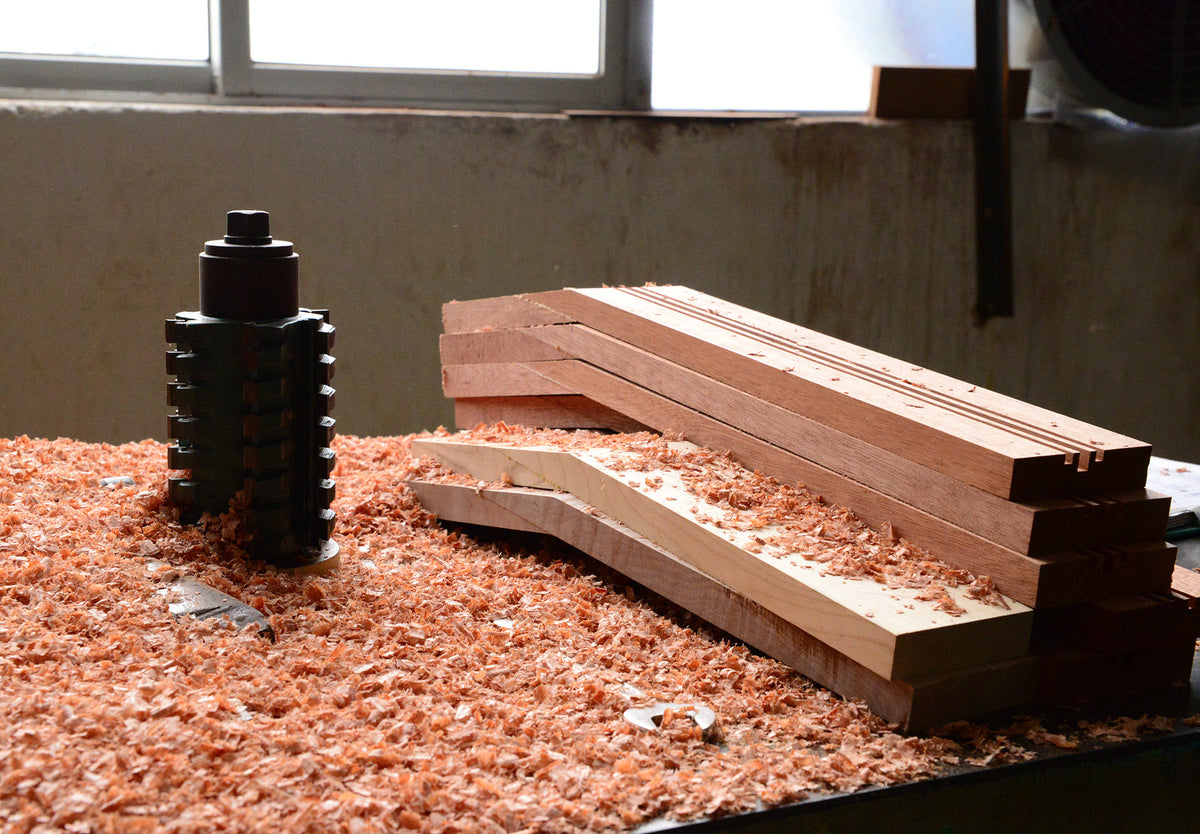
We measure the velocity of sound traveling through the material using a Lucchi meter. We utilize the "Cube Rule engineering, which dictates that the stiffness of a brace is the cube function of its height, allowing us to carve braces thin and tall to maximize the strength-to-weight ratio. Most importantly, we use frequency analysis to deliberately place the instrument' s main resonances between the notes of the musical scale. If a guitar's main monopole resonance sits directly on a specific note pitch, it creates a wolf tone "—a rapid, unpleasant cancellation of sound.

Measurement allows us to eliminate these wolf tones before the guitar is ever strung up. But measurement is only a map. A frequency graph can show peaks and valleys, but it cannot tell you if a phrase feels beautiful. Machines can measure stiffness, but only the maker can shape emotion. A responsive guitar is more difficult to build than a dull one. An overbuilt guitar can be stable, predictable, and resistant to problems. A highly responsive guitar is different. It is more alive, and therefore more sensitive.
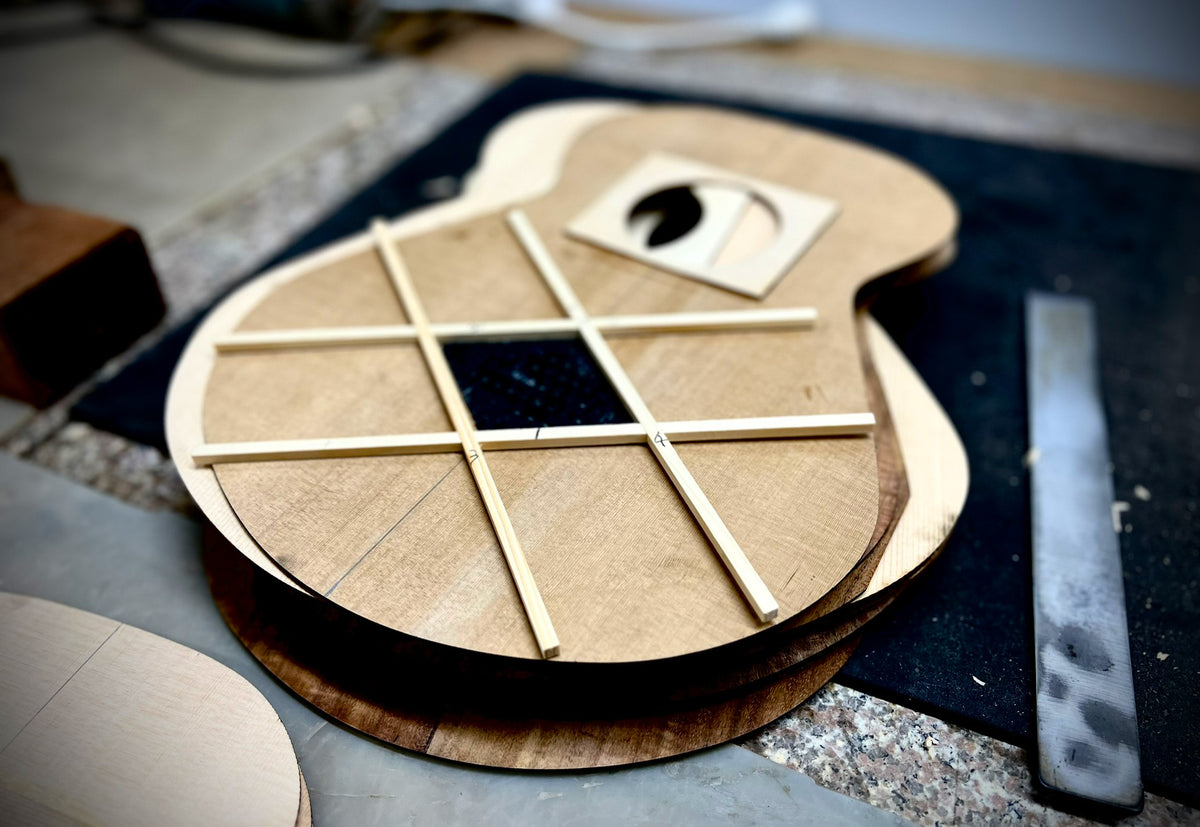
The legendary classical guitar builder José Romanillos famously stated that the best guitars are built on the cusp of disaster taken down to the absolute minimum thickness so they can maximally respond without breaking. He also argued that trying to tune a soundboard to a single specific note was a "dead duck, reinforcing that voicing is about the whole interconnected system. A responsive guitar needs both courage and discipline. Courage to let the instrument move to the cusp of disaster. Discipline to control how it moves.