
The Guitar That Disappears in Your Hands
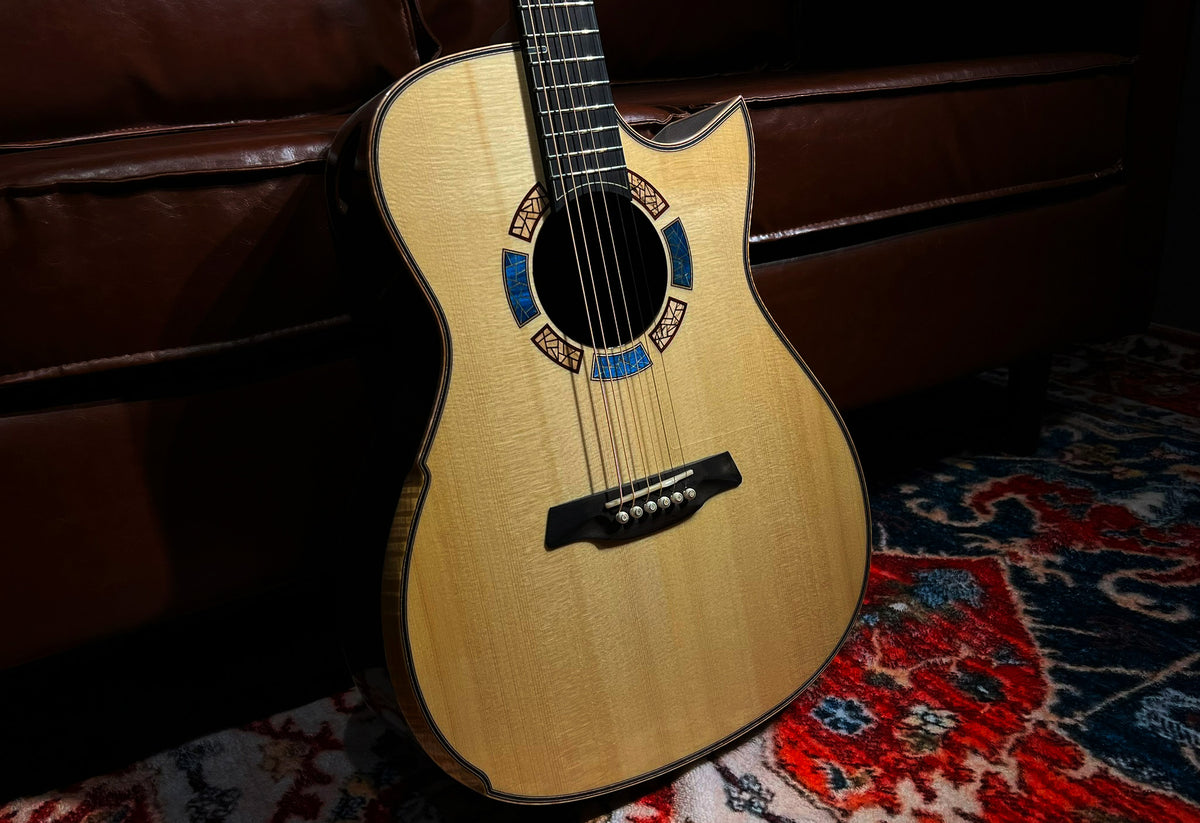
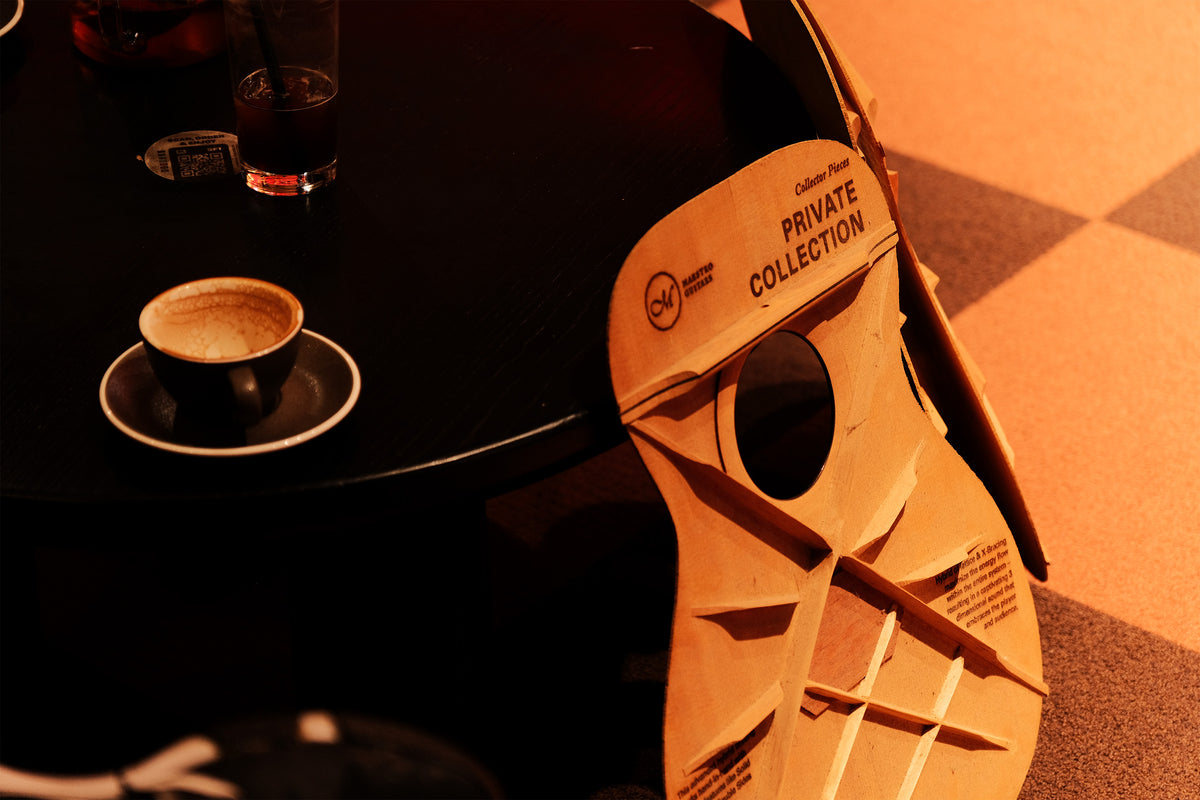
As my mentor Ervin Somogyi says, the finest guitars are built on the cusp of disaster ". Strong enough to hold together, yet light enough to move freely. At its core, the guitar is a delicate air pump. When a string is plucked, the bridge acts as the primary point of excitation, functioning almost like a brace on the outside of the guitar. This energy drives the soundboard into three primary patterns of movement.
A great guitar should not keep reminding the player that it is there. It should not push the shoulder up, press into the ribs, cut into the forearm, or make the left hand work harder than necessary. Of course, every instrument has a physical presence—a guitar is still wood, air, strings, tension, and shape. But the better it is resolved, the less the player has to manage it. I do not think of ergonomics as a luxury feature. Luxury is often about what can be seen: decoration, rarity, price, or spectacle.
Ergonomics is different. When done well, it disappears. The player may not comment on it directly. They simply play longer, breathe easier, and stop adjusting their posture. That silence matters. A player who is comfortable listens differently. The right hand becomes less guarded. The left hand releases pressure. Over time, these things affect the music more than people realize. The guitar world often separates tone from comfort, as if one belongs to the ear and the other belongs to the body. I do not see it that way.
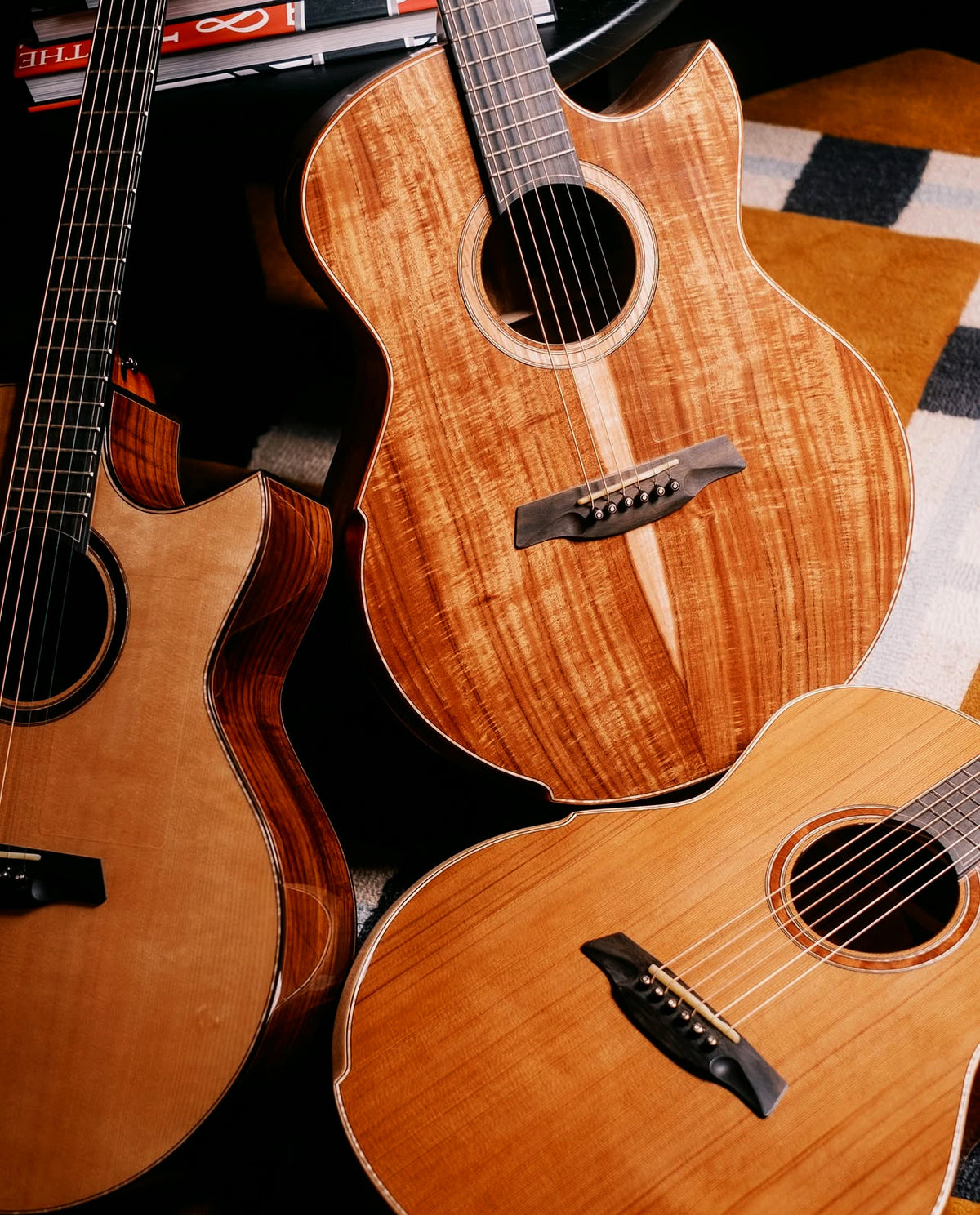
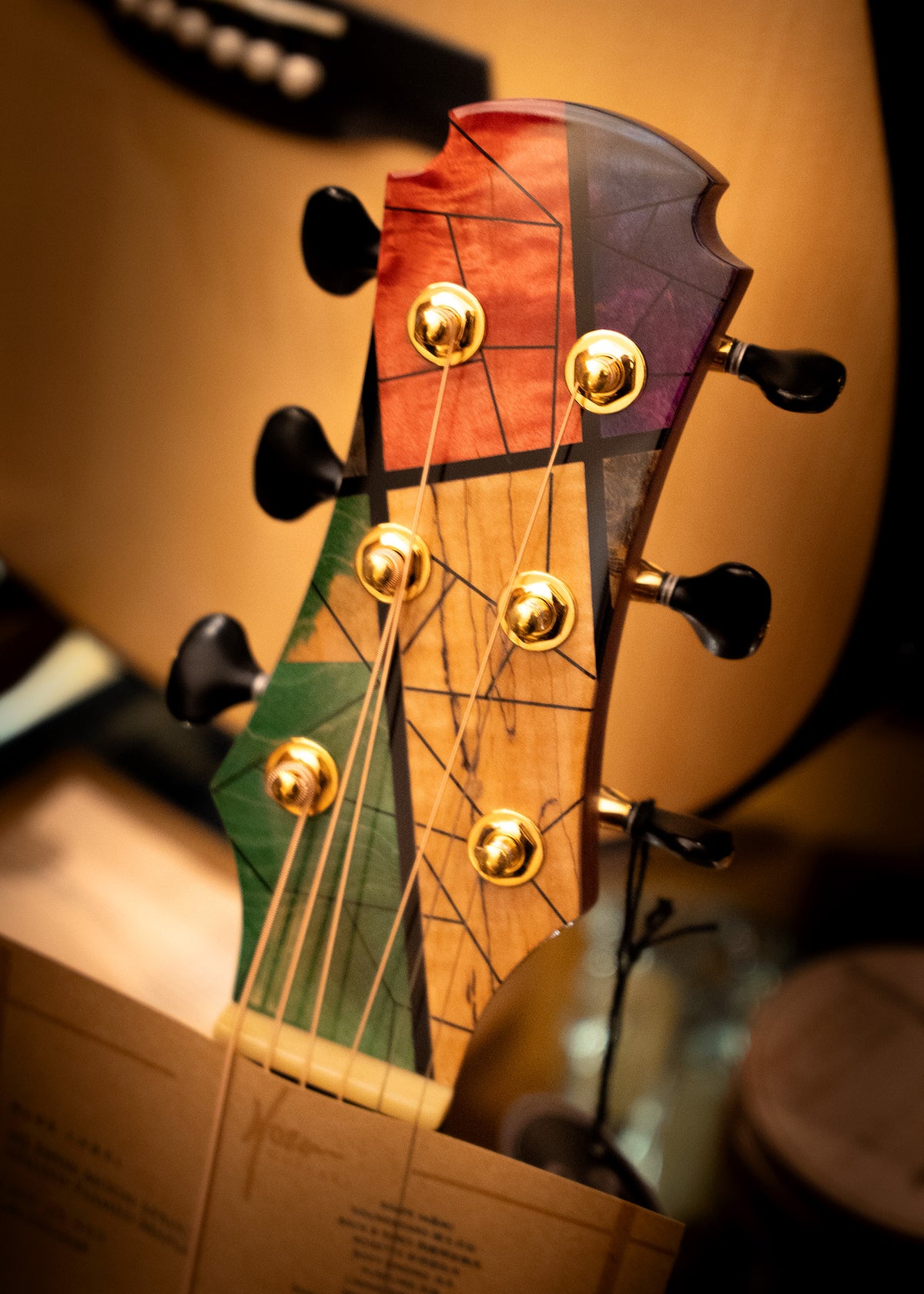
The player's body is part of the musical system. A tense player draws sound from the guitar differently from a relaxed one. Other builders have understood this in their own ways. Linda Manzer's wedge showed that a larger guitar could be made to feel more natural. Grit Laskin's armrest changed the way many of us thought about the forearm's contact with the top. In Japan, master luthier Mitsuhiro Uchida reshaped his body lines out of a singular belief: the instrument must never burden the player's body.
I do not follow any one builder blindly, but I respect the larger conversation. For Hozen Guitars, comfort is not about making the instrument " soft" in a shallow way. It is about removing unnecessary resistance. The instrument should not ask the player to suffer for tradition. The best tools disappear in the hands. A guitar should do the same.